FILMPIX started as a personal project.
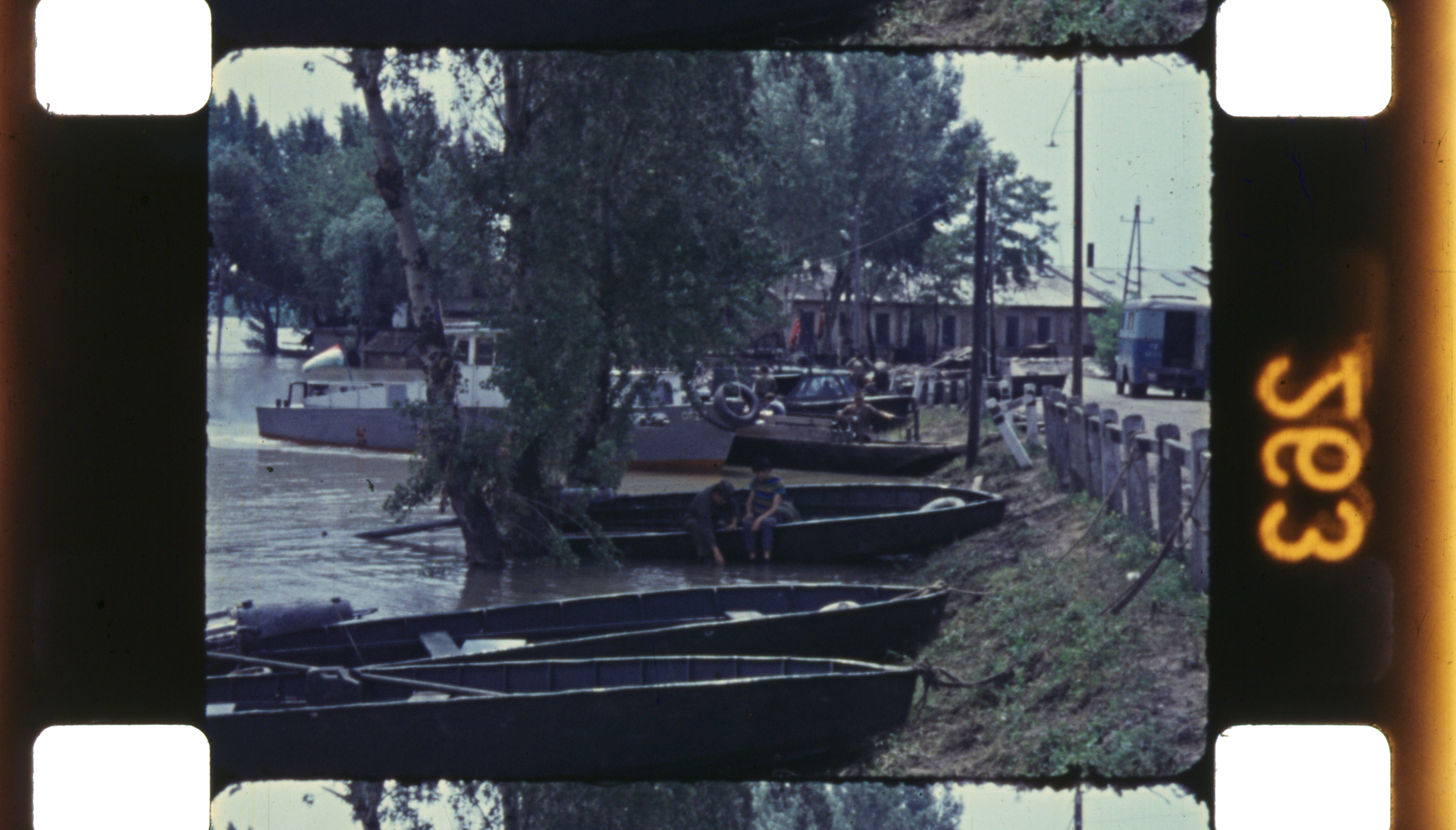
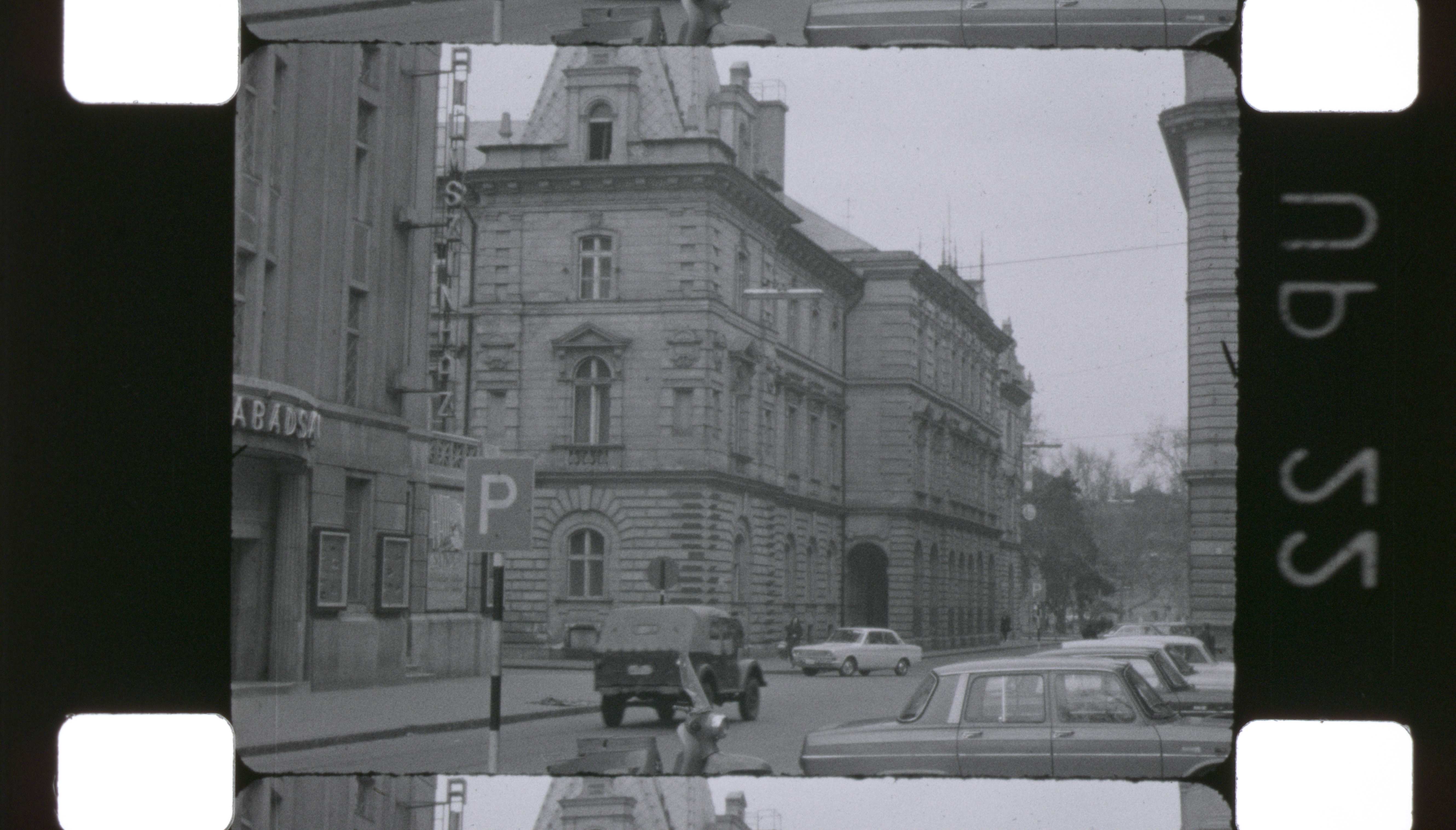
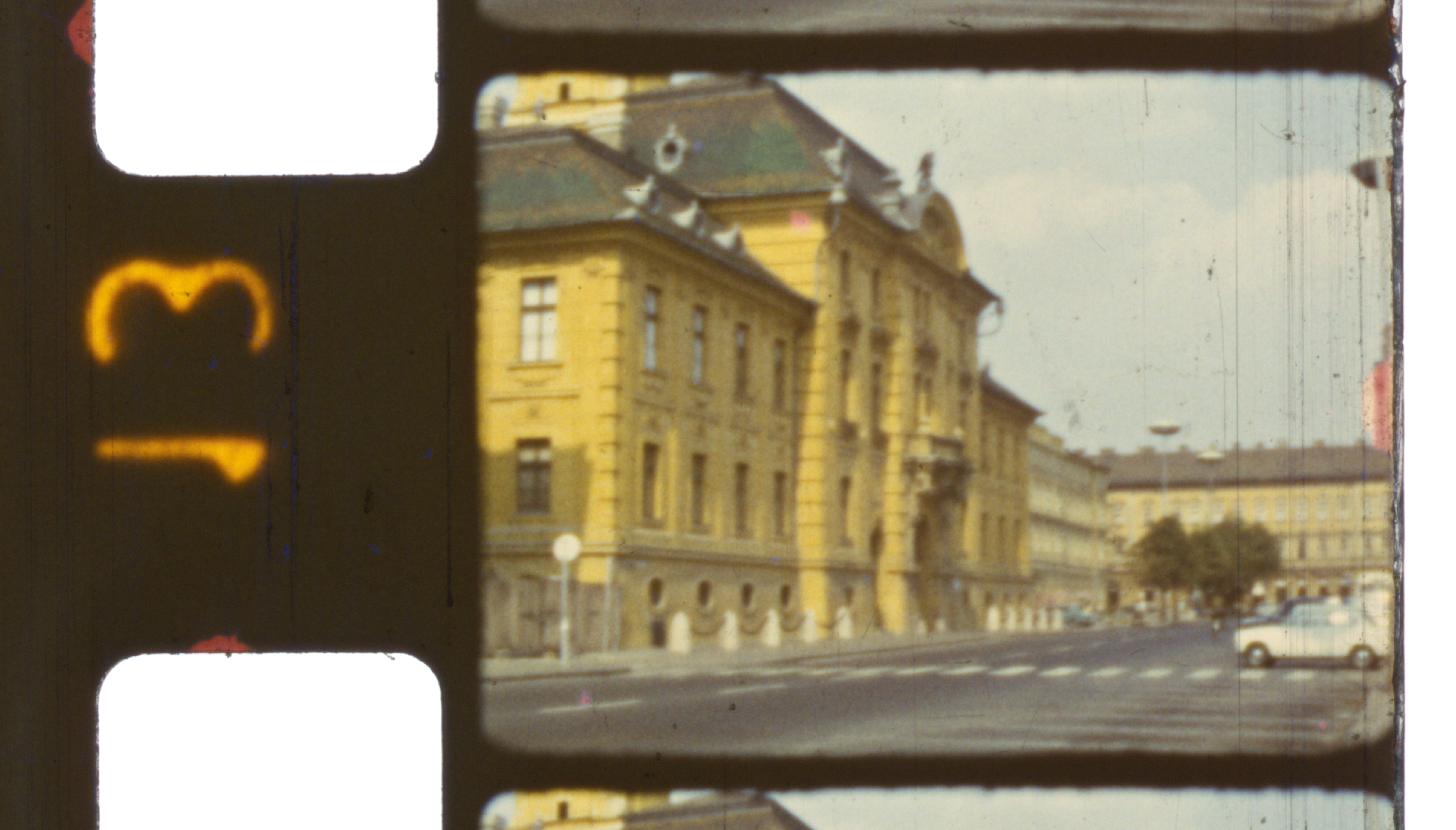
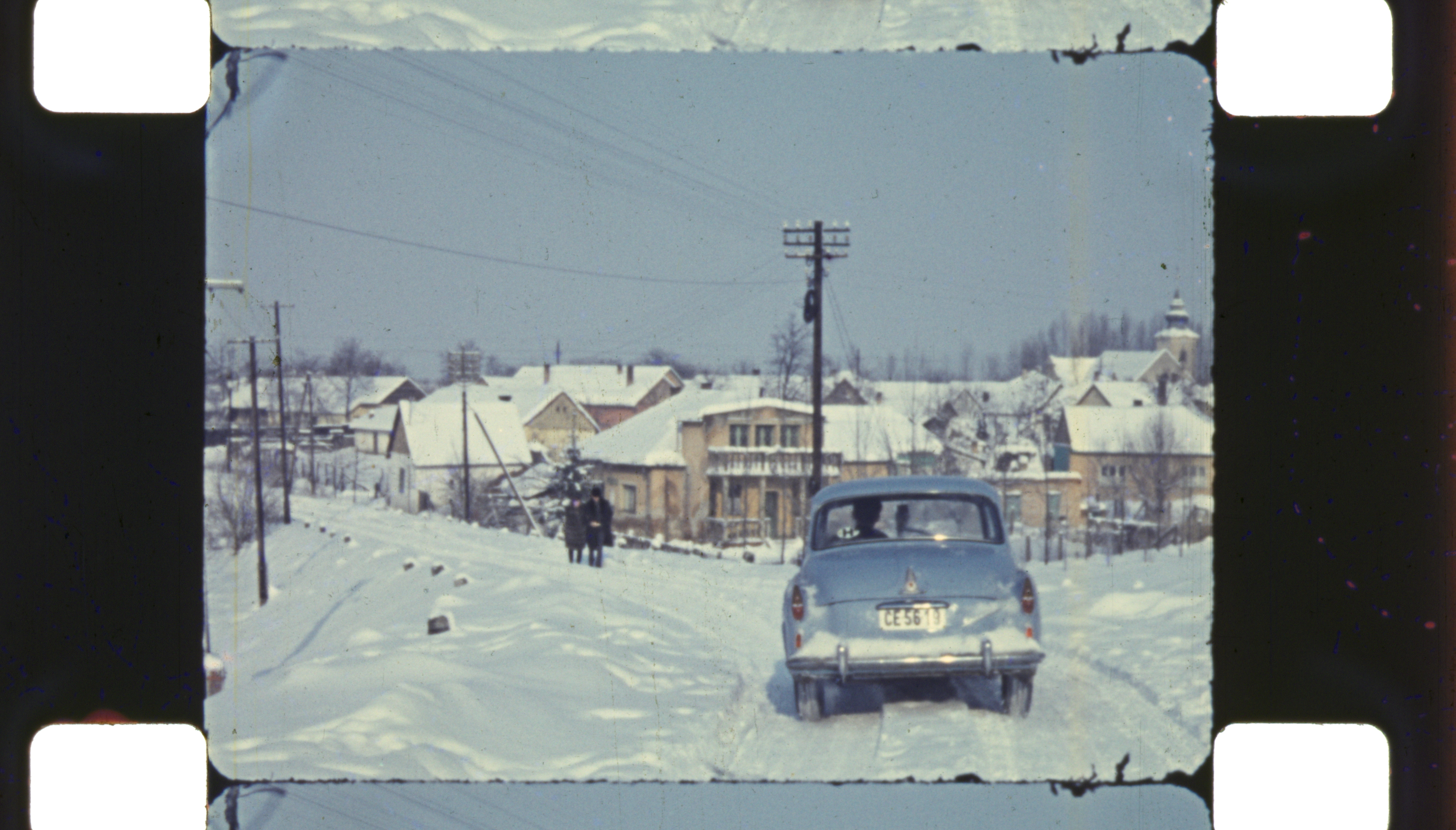
I discovered a large collection of 8 mm and 16 mm films made by my grandfather, Dr. István Bodó, in the 1970s — a mix of family moments and remarkable documentary footage. Seeing their condition and realizing their historical and emotional value, I wanted to preserve them in the best possible quality.
When I started looking for a way to digitize them, I found only two options: expensive professional systems, or more affordable ones that couldn't deliver the quality these films deserved.
So I decided to design and build my own film scanner from scratch. After more than a year of experimentation, engineering, and fine-tuning, the machine finally reached a stage where it could produce results far beyond typical consumer setups.
As a broadcast engineer, I approached the challenge with a focus on precision, consistency, and signal integrity. The guiding principle was simple but strict: the film itself should be the limit — not the scanner. The camera must resolve more detail than the film grain can hold, so nothing is lost in the digital copy.
Today, my scanner uses a Basler a2A5320-23ucBAS global-shutter camera paired with a Schneider-Kreuznach Makro-Iris Apo Componon 4/45 — a specialized apochromatic macro lens designed for precise 1:1 reproduction. This combination delivers perfect focus across the entire frame with zero chromatic aberration, ensuring every detail, color, and grain of the original film is captured faithfully.
The films that come off it end up on the FILMPIX YouTube channel, so anyone can watch them.